The two failure modes we design against
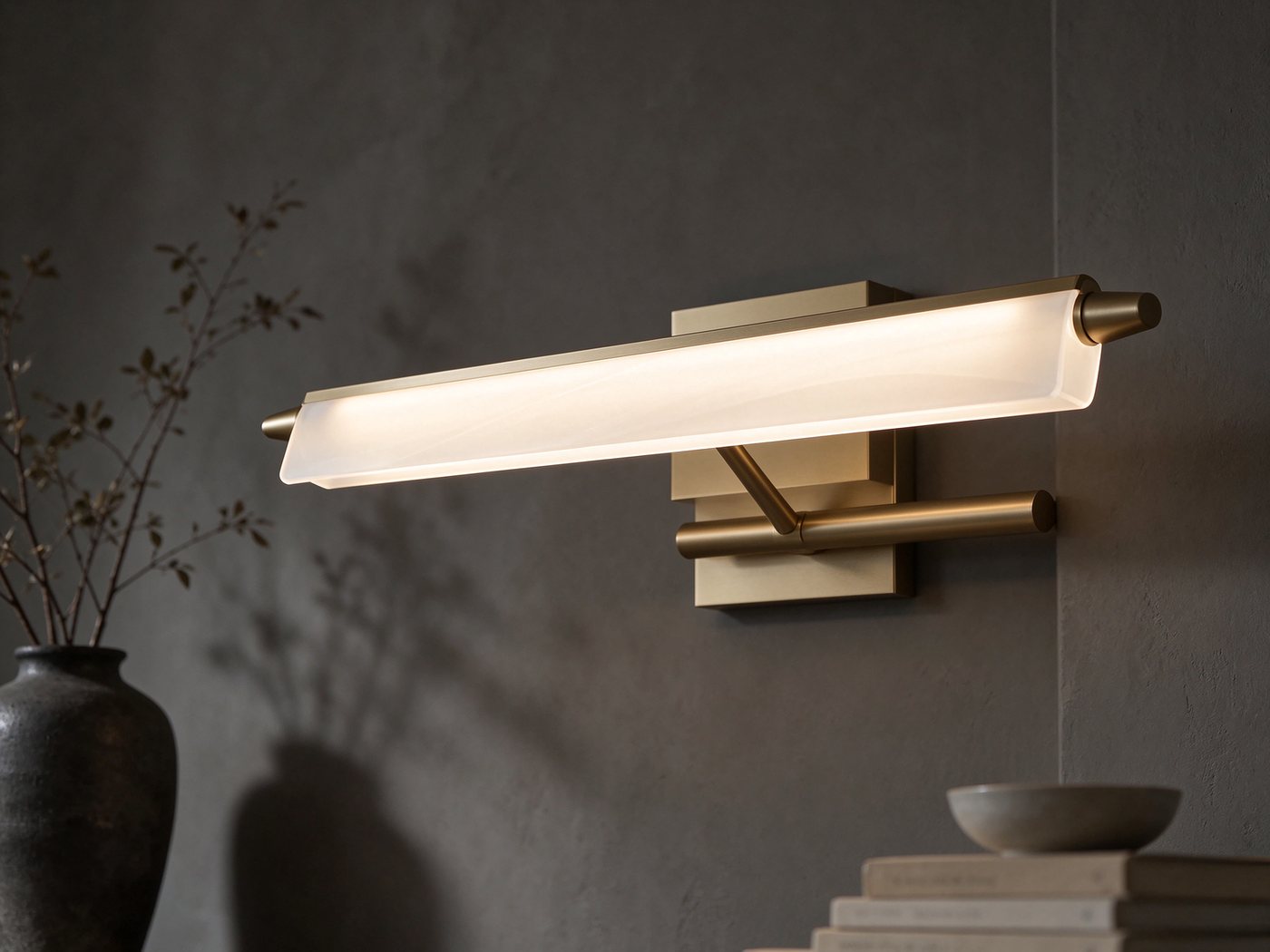
Fixtures built by an acrylic house usually have a beautiful diffuser and a weak body; fixtures built by a metal house have a solid body and a diffuser that hot-spots. We design the pair together. The zinc-alloy casting carries the locating ribs, the LED board seat and the heat path; the acrylic part is machined to fit those features within ± 0.1 mm, so the light never leaks at the edge or concentrates in a band.
Diffuser and light-guide options
- Frosted diffusers from 2–10 mm, sandblasted or chemically etched for a soft, even face.
- Edge-lit light guides with laser-etched extraction patterns for a flat, shadowless panel.
- Opal and milk-white grades for high diffusion with minimal light loss.
- Clear guide plates with micro-structure for controlled beam angles.
- Tinted and gradient options where the fixture is part of the interior design.
Tooling, volume and cost structure
Zinc-alloy bodies need a die. Tooling typically runs USD 1,500–4,500 per body depending on size and complexity, and is quoted separately with a tool life of 100,000 shots. Below roughly 500 units per year, we recommend a machined or extruded aluminium body with an acrylic lens instead, because the die never amortises. We will tell you which route is cheaper at your volume rather than defaulting to the die.
Acrylic optical parts are CNC-machined or laser-cut from sheet, so they carry no tooling charge and can be revised between runs. Assembly, LED board mounting, wiring, ageing test and photometric spot checks are done in-house before packing.
Compliance and documentation
We build to your destination market's requirements and can supply the construction drawings, the material certificates and the photometric test report from a third-party laboratory. CE and RoHS documentation is prepared per order; UL and ETL listings are handled with the certification body your market requires, and we will confirm what is achievable before you place the order rather than after.